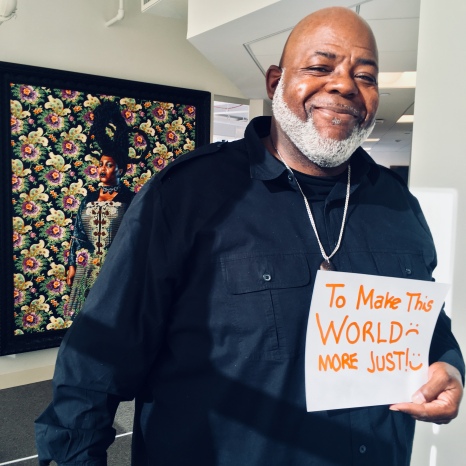
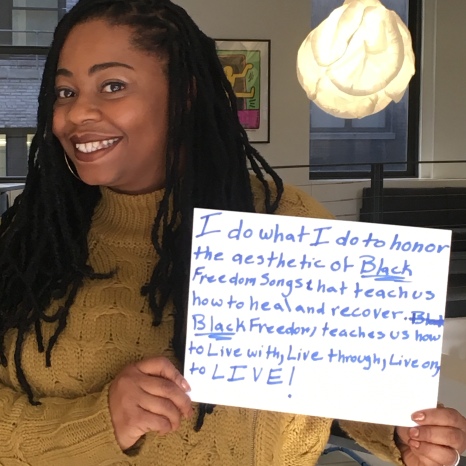
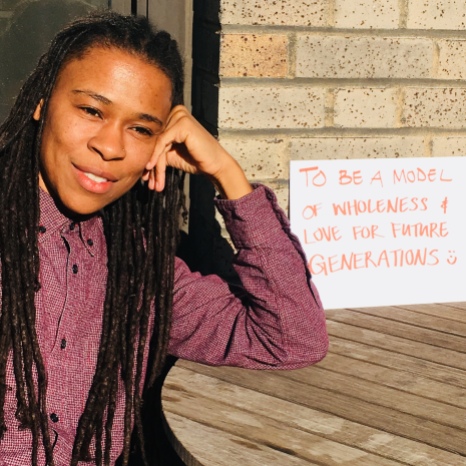
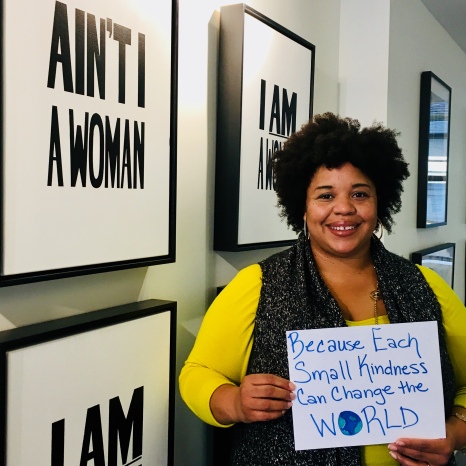
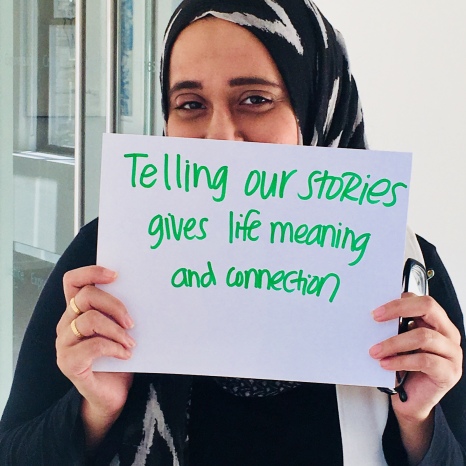
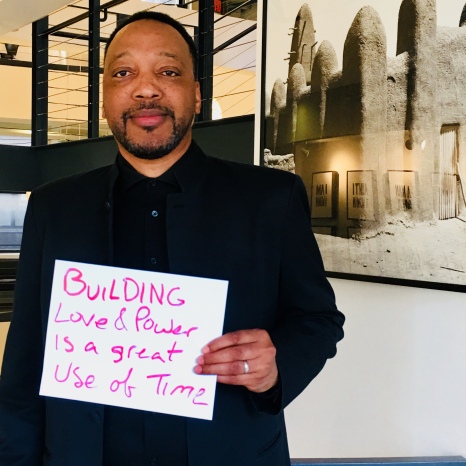
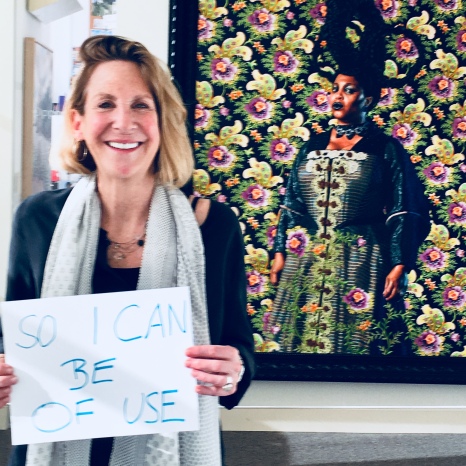
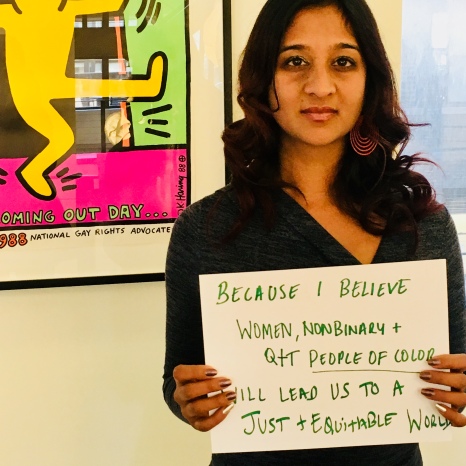
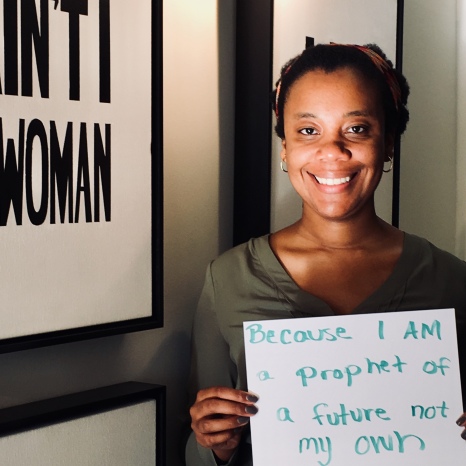
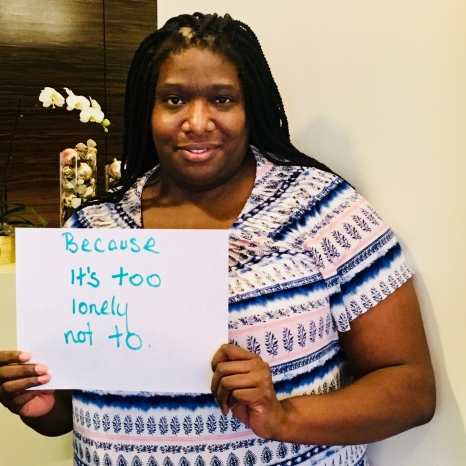
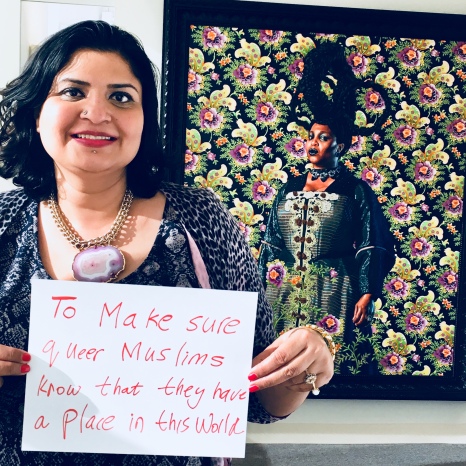
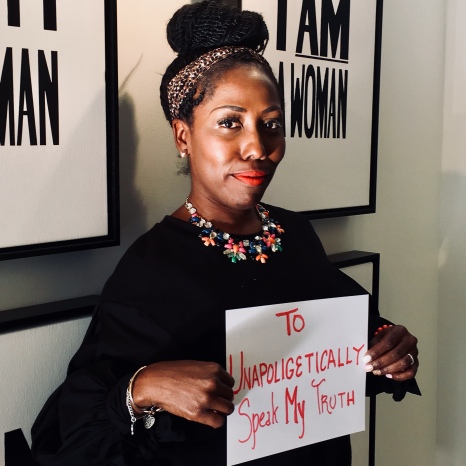
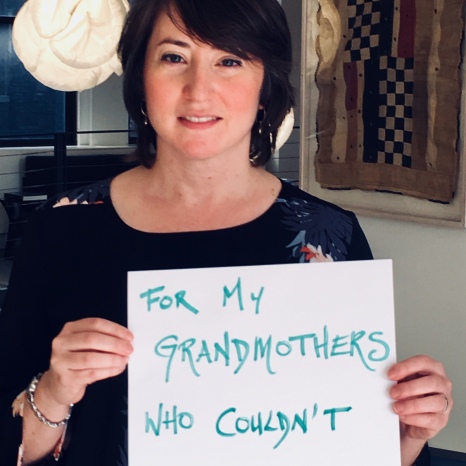
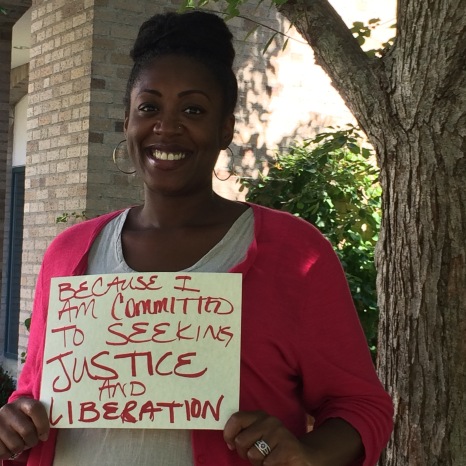
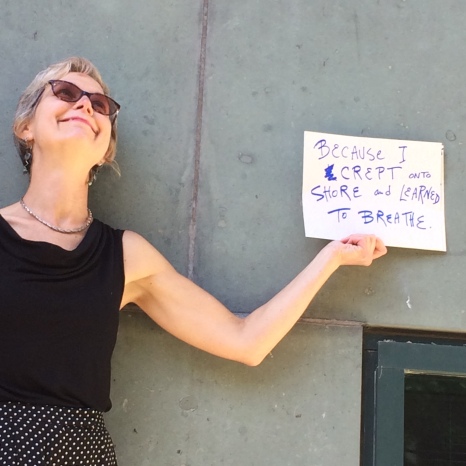
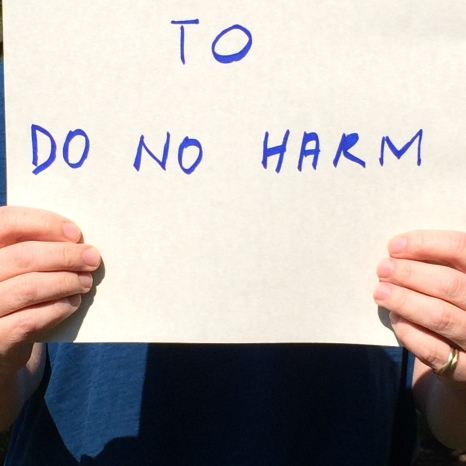
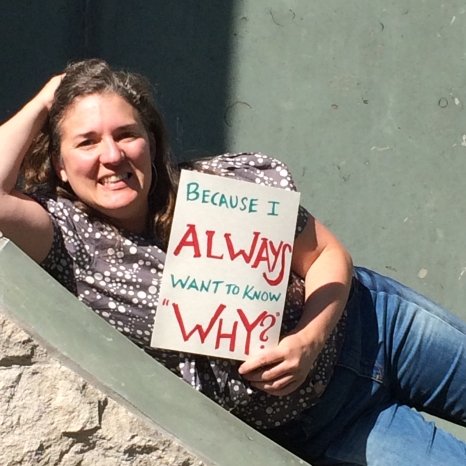
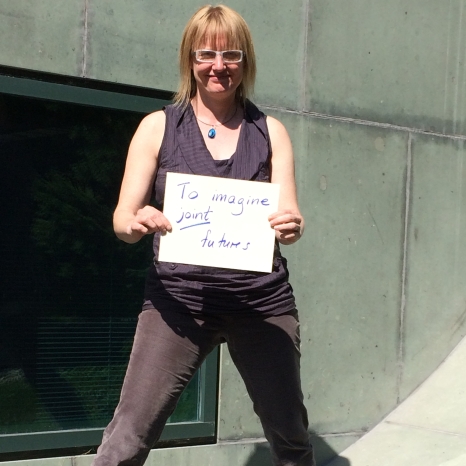
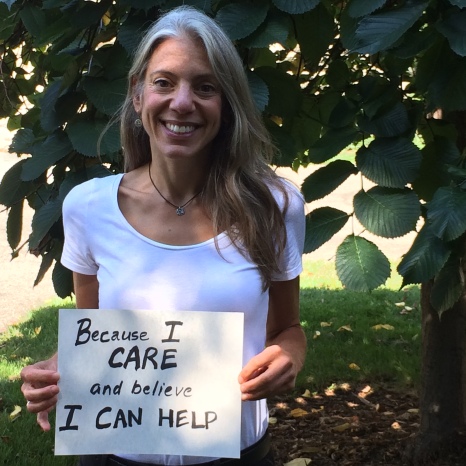
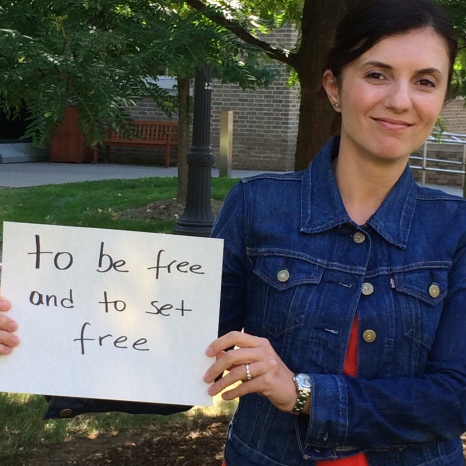
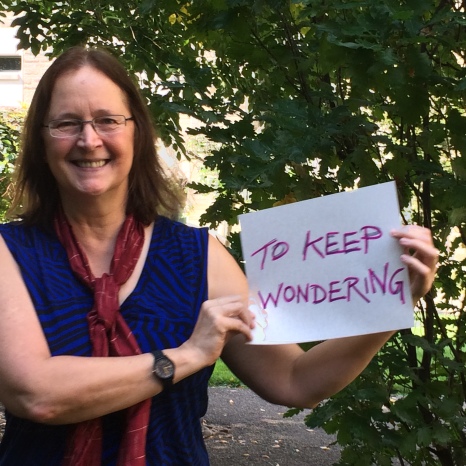
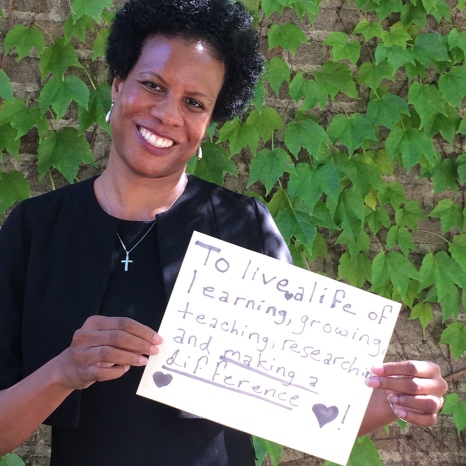
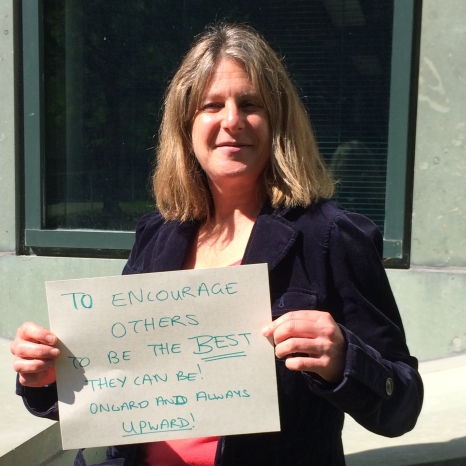
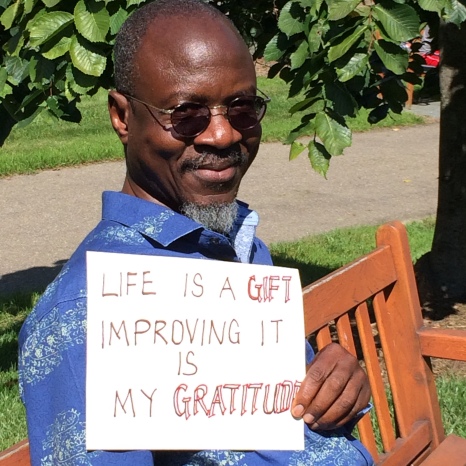
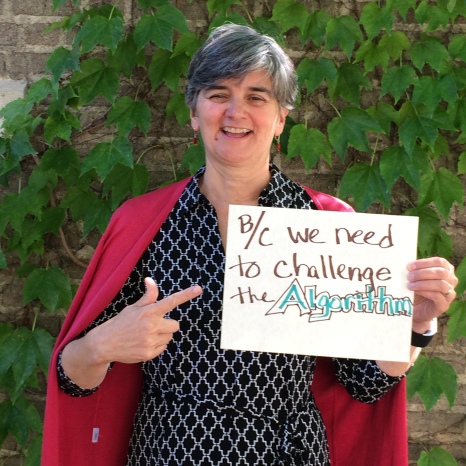
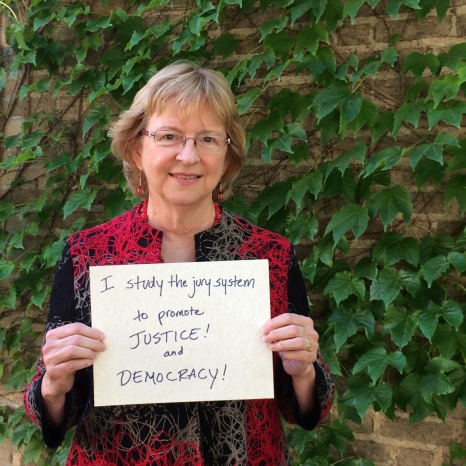
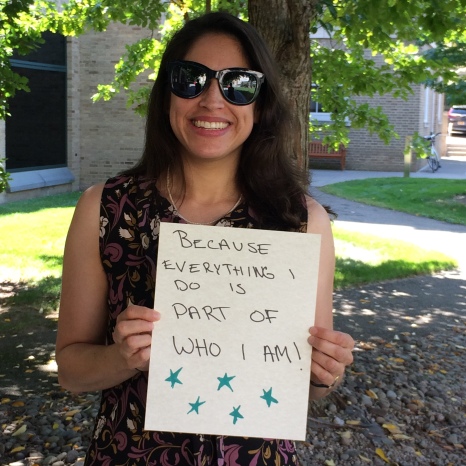
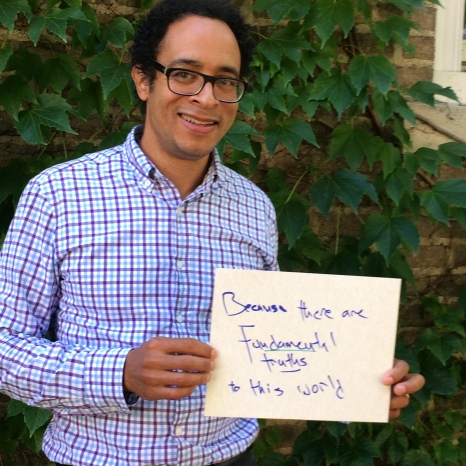
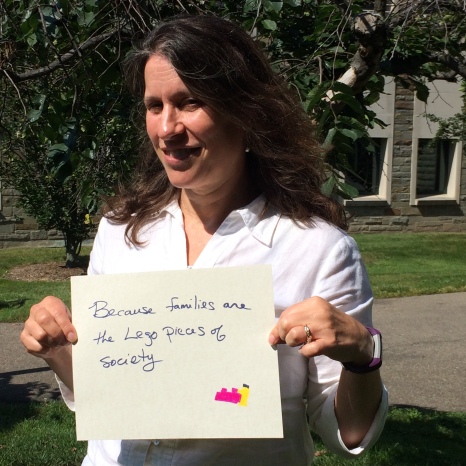
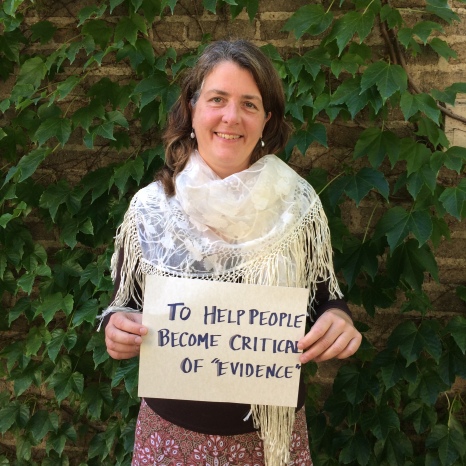
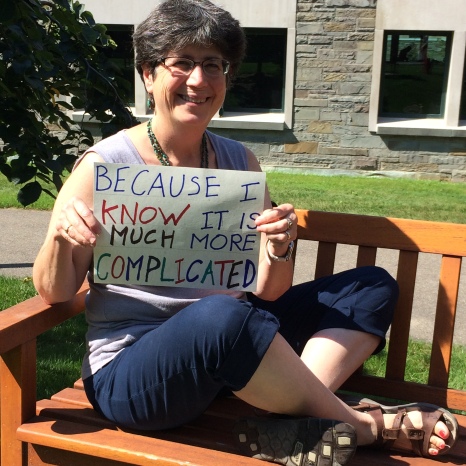
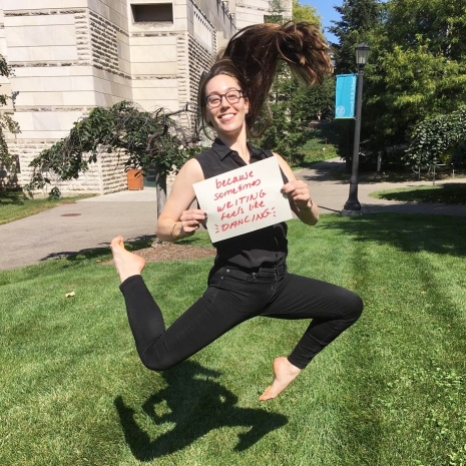
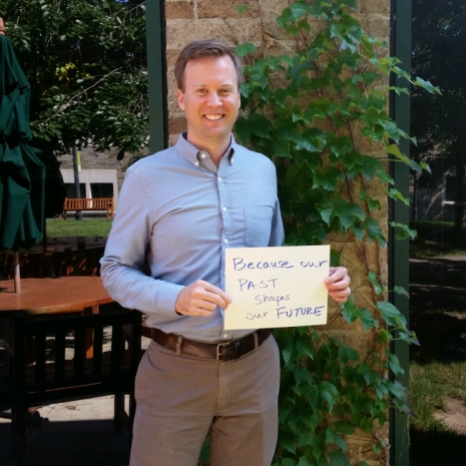
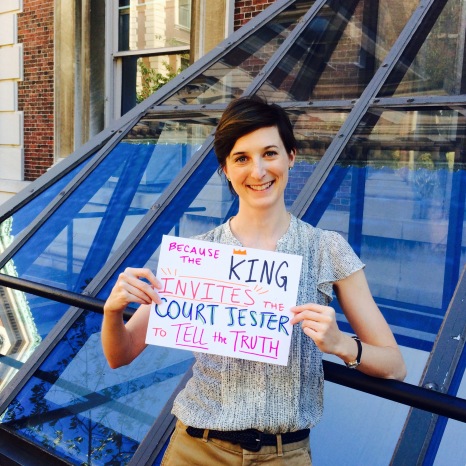
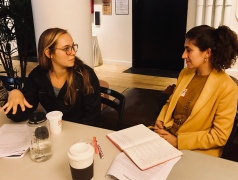
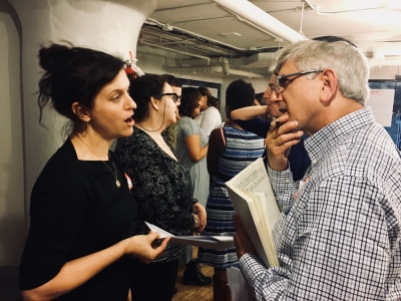
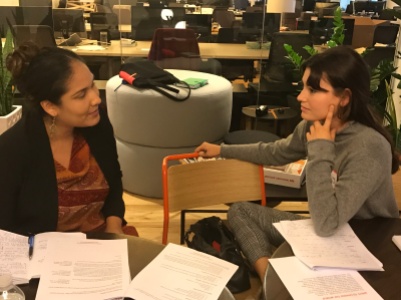
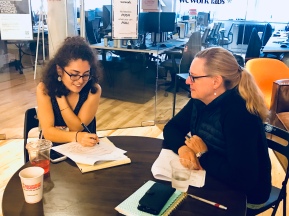
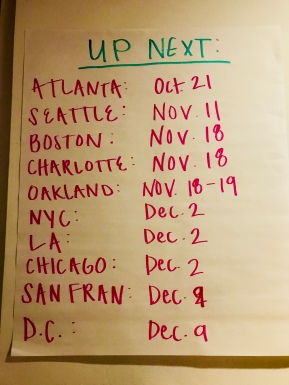
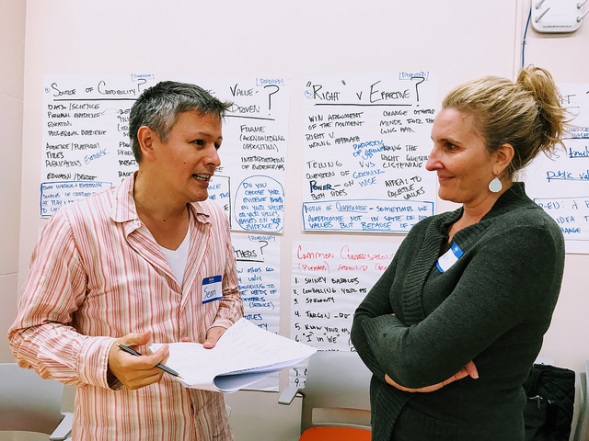
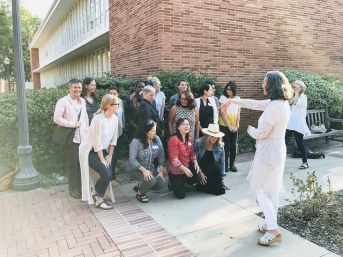
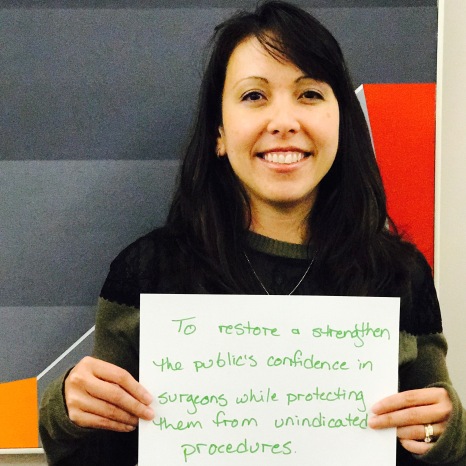
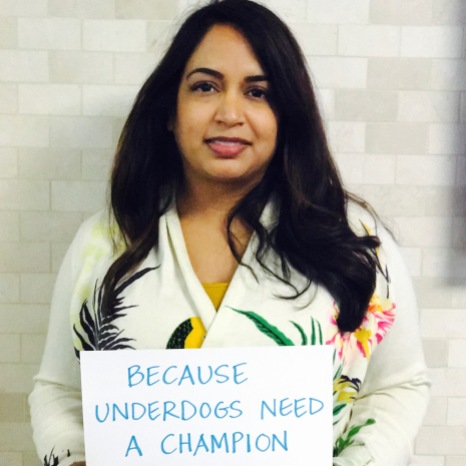
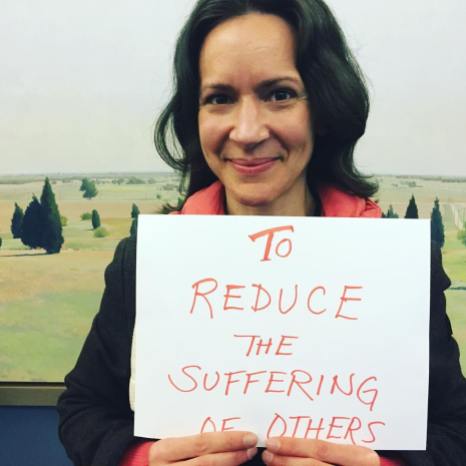
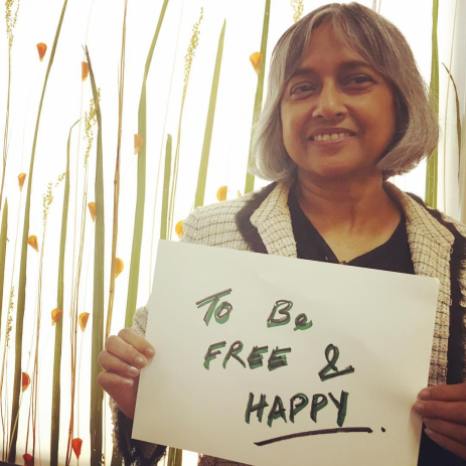
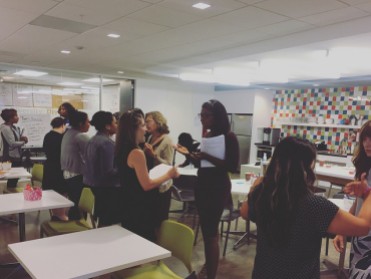
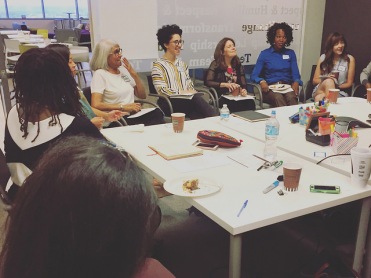
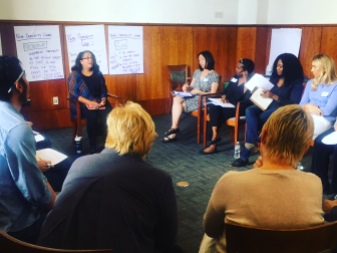
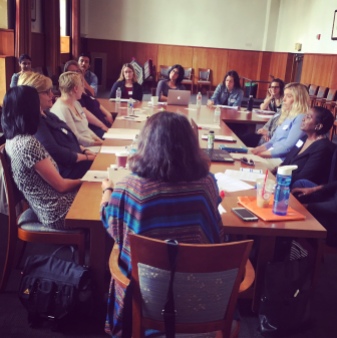
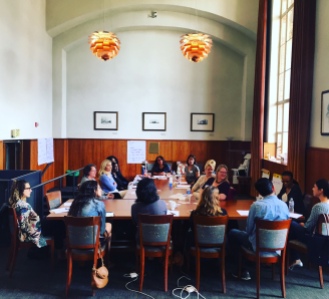
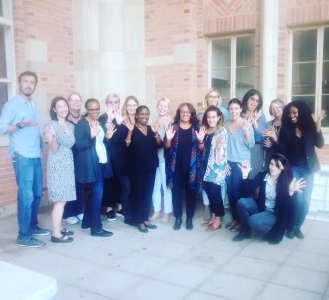
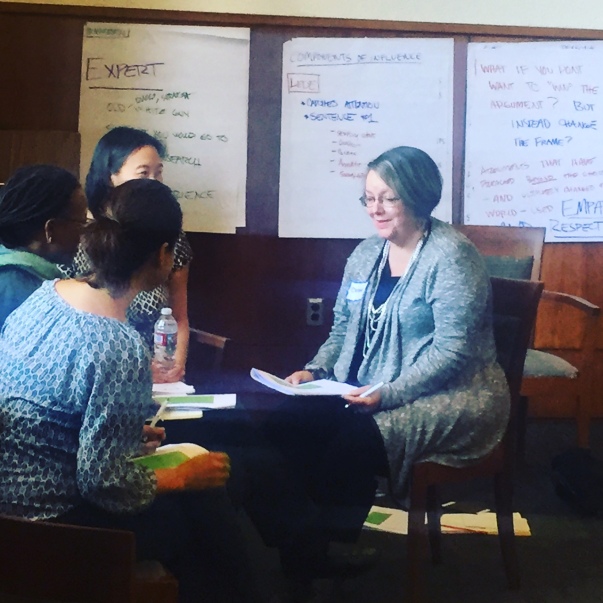
Twenty-one underrepresented experts gathered today at UCLA to explore themes of expertise, credibility and what it takes to create meaningful change in the world. Photos from the day appear below.
A big thank you to our friends and partners at UCLA’s Center for the Study of Women, for hosting this seminar and, in doing so, making the opportunity available to the deserving people of Los Angeles.
Do you want your voice to be heard? Come see us in action. We run Write to Change the World seminars in 15 major U.S. cities on a rotating basis. For more on our upcoming cities and dates, click here
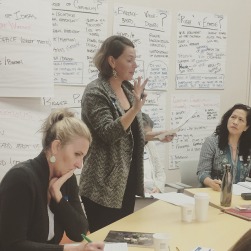
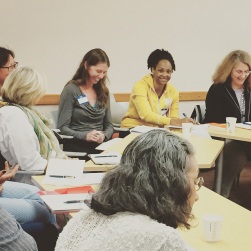
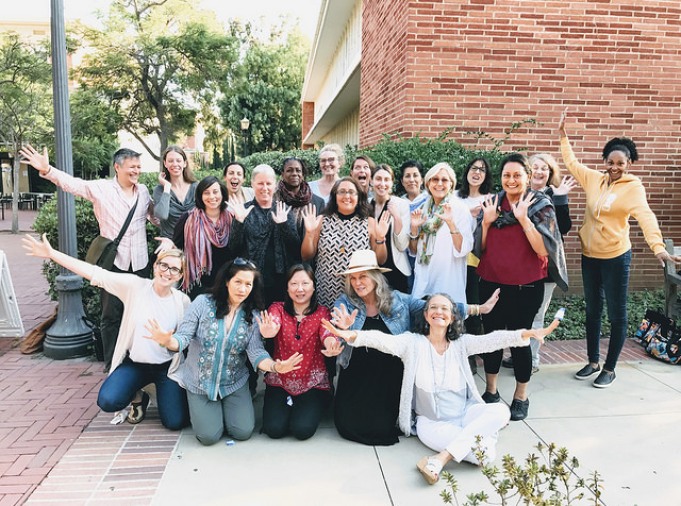
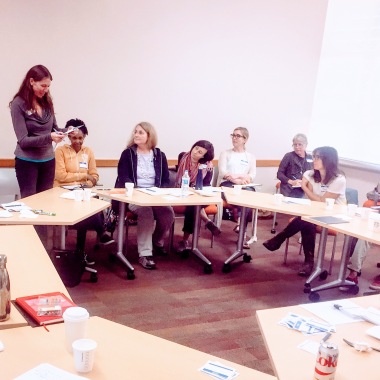
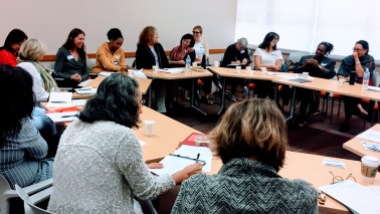
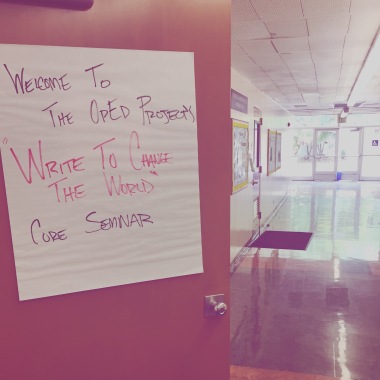
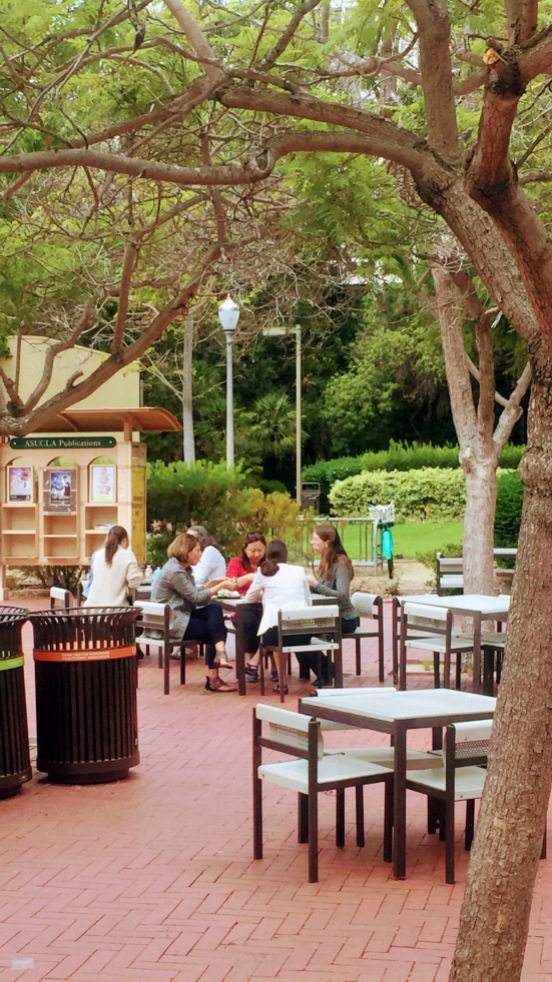
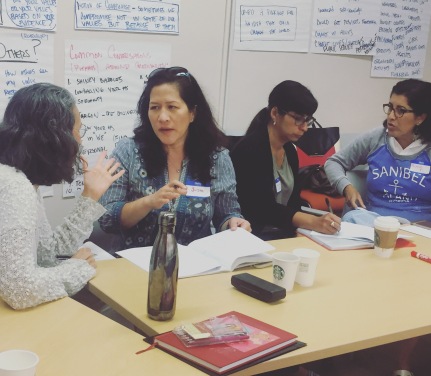
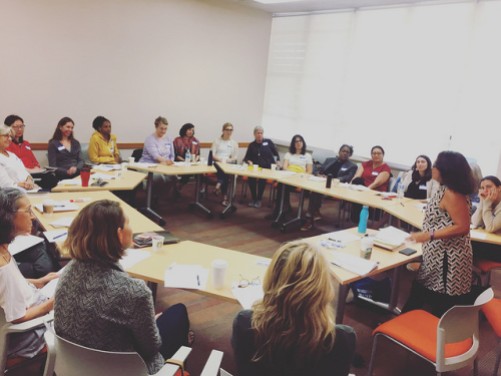
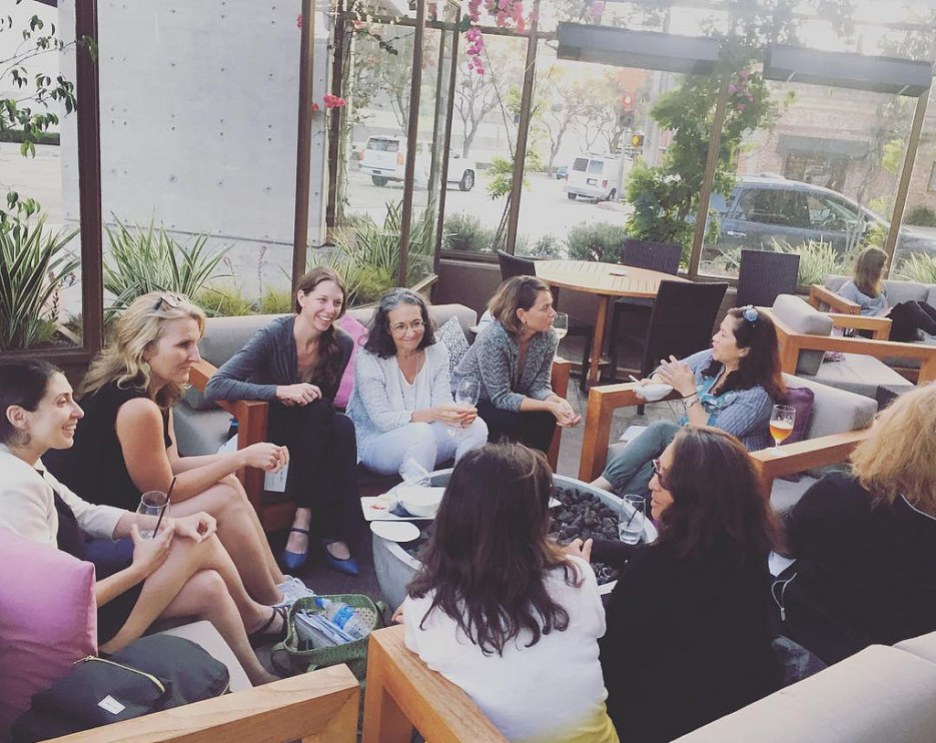
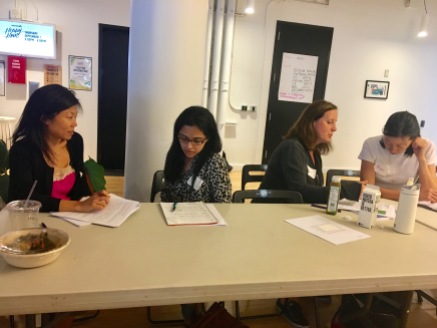
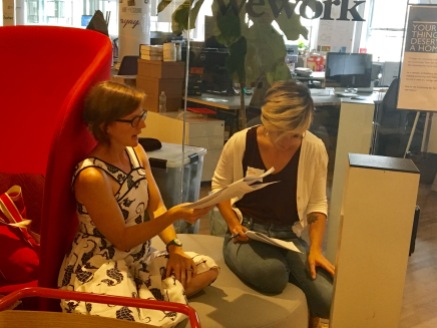
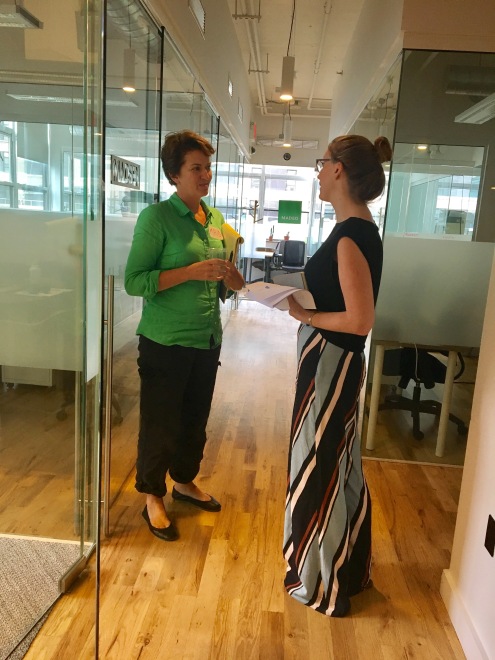
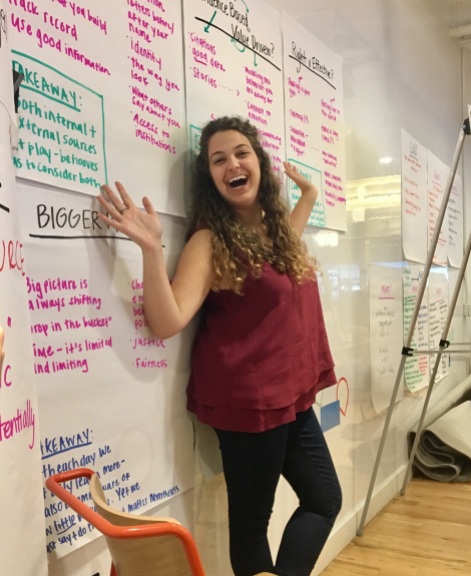
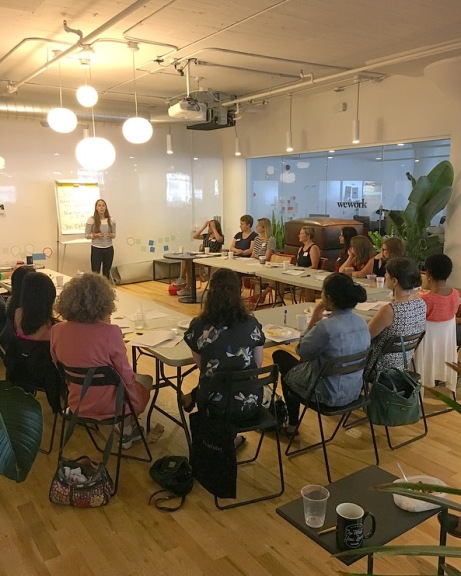
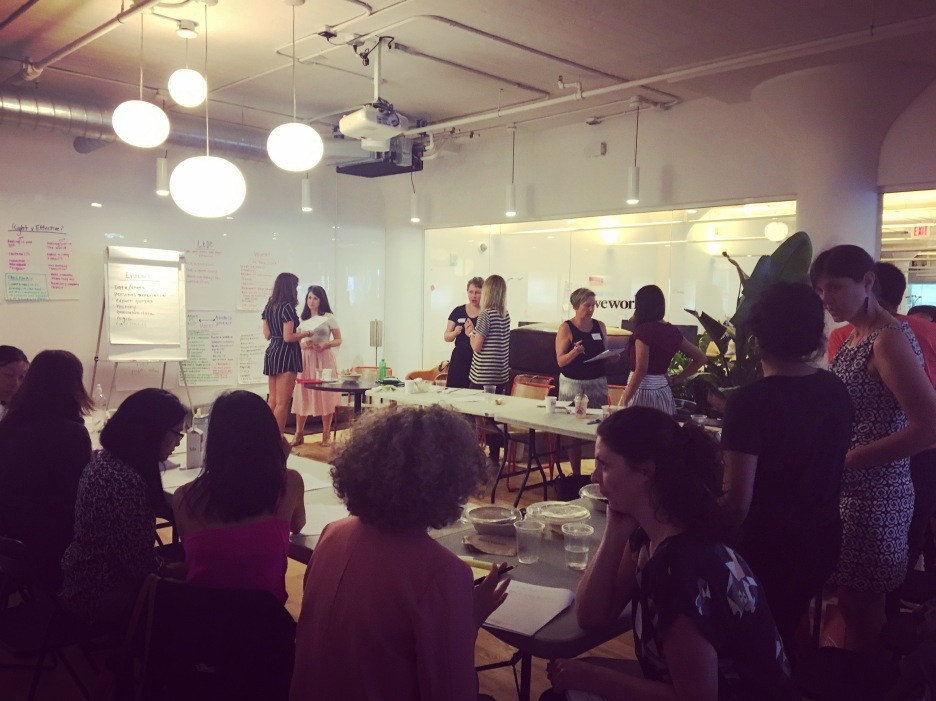
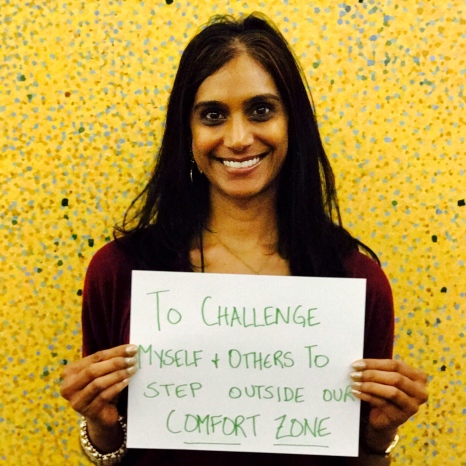
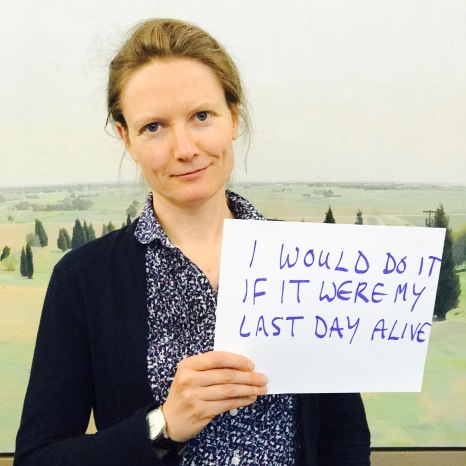
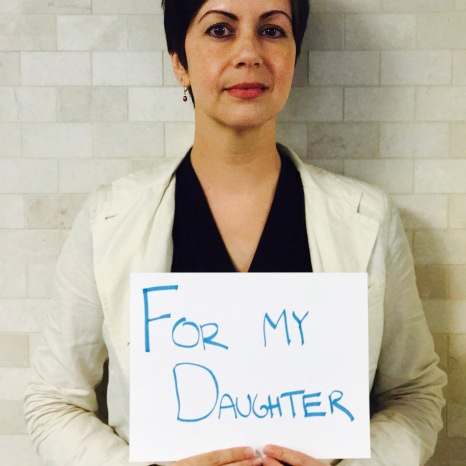
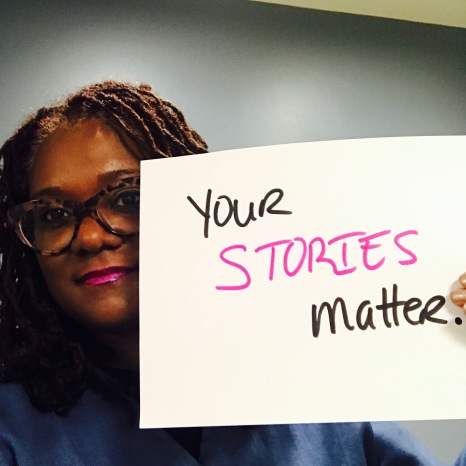
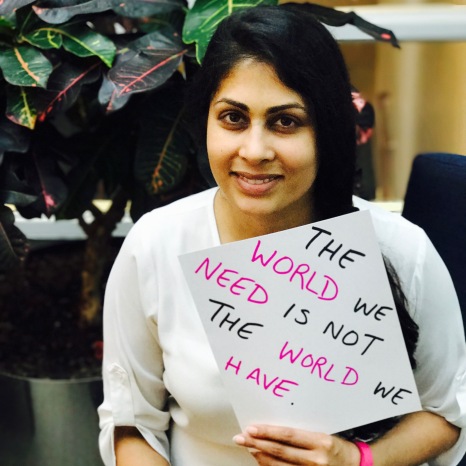
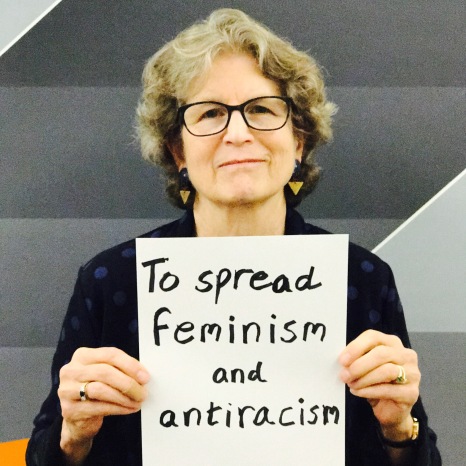
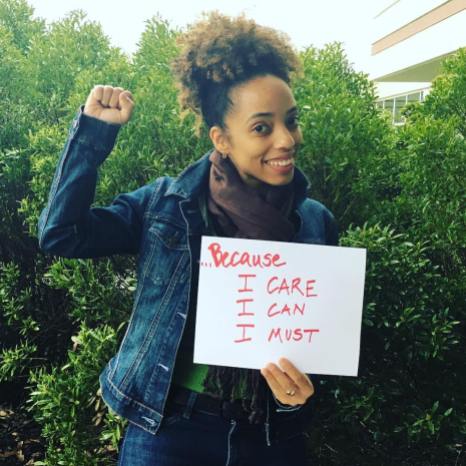
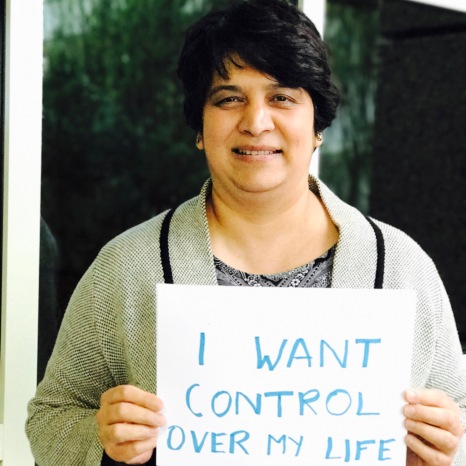
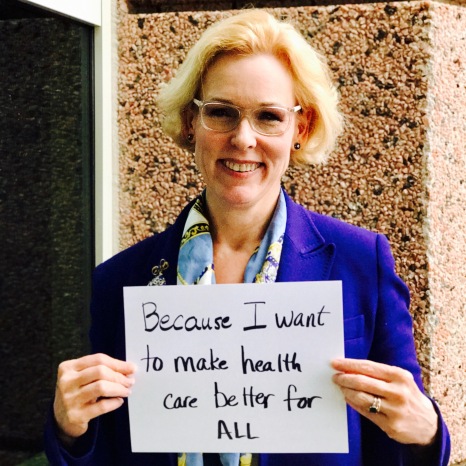
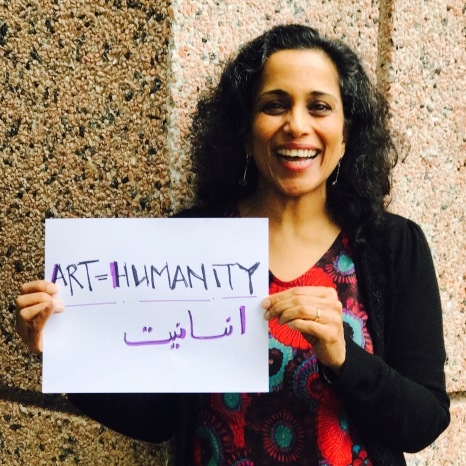
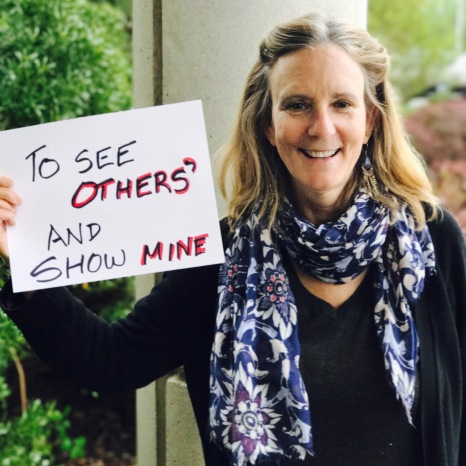
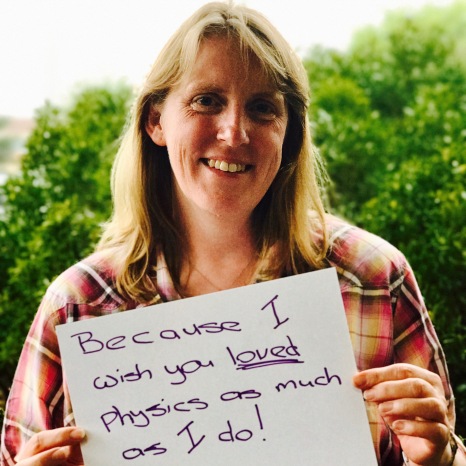
We at The OpEd Project have spent the last three months working with twenty amazing Dallas women, all social justice leaders who were carefully vetted by their predecessors, the 2015 and 2016 Dallas Public Voices Fellows, and key stakeholders throughout the city. Having achieved more than fifty concrete successes of thought leadership in just three months, their voices have become a meaningful part of the national dialogue–most recently with this collective stand around the death of Balch Springs teen Jordan Edwards.
We are honored to share their work below, and be a part of their efforts to bring racial and social justice to a fragmented but much loved city.
Many thanks to the Boone Family Foundation for making this possible.

1. April 6, 2017, Nonprofit Connect (National Webinar)
Froswa’ Booker-Drew, “12 Things I Wish I Knew When I Started Leading Others”
2. April 7, 2017, Texas Tribune
Sadie Funk, “Separating Women and Children at the Border would be Bad for Them, and for Texas”
3. April 7, 2017, National Public Radio KERA (Radio Appearance)
Alia Salem, “I’m Still An Optimist: Muslim Leader Alia Salem On Activism, Confronting Hate”
4. April 19, 2017, Huffington Post
Christina Hanger & Annie Wright, “Dallas Shows Investing In After-School Programs Is A No-Brainer”
5. April 20, 2017, New York Times (Expert Quote)
Alia Salem, “Texans Gone Wild”
6. April 25, 2017, iHeartRadio (Radio Appearance)
Yulise Waters, “Talking about the Phenomenon of Crimes Committed via Social Media Streaming”
7. May 1, 2017, Washington Post
Alia Salem, “It’s Time for Muslim Americans to do Politics like other Minorities”
8. May 2, 2017, Medium
Jamila Thomas, “Black Boy, Killjoy: A Mother’s Take on the Jordan Edward’s Tragedy”
9. May 2, 2017, Dallas Morning News
Yulise Waters, “Community Policing is not the Answer”
10. May 2, 2017, Dallas Morning News
Alia Salem, “Muslim Americans must do Politics like other Americans do”
11. May 2, 2017, Al Jazeera
Alia Salem, “Muslims in America: But is it a Time of Change?”
12. May 2, 2017, Colorado Gazette (Expert Quote)
Alia Salem, “Muslims on Capitol Hill learn how to Lobby”
13. May 2, 2017, Religion News Service (Expert Quote)
Alia Salem, “Muslims on Capitol Hill learn how to Lobby”
14. May 3, 2017, Chicago Tribune
Alia Salem, “It’s time for Muslim Americans to do politics like other minorities”
15. May 4, 2017, Medium
Sarah Martinez, “Changing the Face of Power: A Political Uprising”
16. May 6, 2017, iHeartRadio (Radio Appearance)
Yulise Waters, “Update on the Jordan Edwards Shooting”
17. May 12, 2017, Dallas Morning News (Feature Story)
Jennifer Sampson, “How Dallas United Way CEO Jennifer Sampson Balances Raising Family and Raising Millions”
18. May 14, 2017, North Dallas Gazette (Poem)
Candice Bledsoe, “Mothers Day Card”
19. May 14, 2017, iHeartRadio (Radio Appearance)
Jamila Thomas, “On Motherhood”
20. May 15, 2017, The Christian Recorder
Yulise Waters, “Let’s Shift the Policing Paradigm from Occupation to Protection”
21. May 17, 2017, For Harriet (Poem Reprint)
Candice Bledsoe, “Mothers Day Card”
22. May 25, 2017, Garnet News
Christina Hanger, “The True Meaning of Female Empowerment: The Need for Women in Management Roles”
23. May 26, 2017, NewBlackMan [in Exile]
Jamila Thomas, “School Choice? Some Kids Don’t Have One”
24. May 26, 2017, The Hill
Annie Lord, “AHCA Will Make our Economy Sick”
25. May 30, 2017, Chronicle of Philanthropy (Feature Story)
Jennifer Sampson, “Dallas United Way Shows Big Results by Upending Traditions”
26. May 30, 2017, Religion News
Alia Salem, “Don’t Blame Trump for Portland Killings”
27. June 2, 2017, Huffington Post
Jennifer Sampson, “Summer is Here and so is the Importance of Doing Nothing”
28. June 2, 2017, United Way Dallas (Feature Story)
Jennifer Sampson, “Once Upon a Month Rewrites Children’s Stories Through Reading”
29. June 6, 2017, Diverse Issues in Higher Education
Candice Bledsoe, “Excellence Does Not Shield Black Students from Racism”
30. June 6, 2017, Huffington Post
Candice Bledsoe, “Excellence Does Not Shield Black Students from Racism”
31. June 9, 2017, Al Jazeera (Expert Quote)
Alia Salem, “Anti-Muslim Marches Held in Several US Cities”
32. June 10, 2017, Republika Indonesia
Alia Salem, “Unjuk Rasa Anti-Muslim di AS Tuai Kecaman”
33. June 10, 2017, The Root
Jessica Dixon Weaver, “Police Training Should Start with a History Lesson on Slavery Lawqs”
34. June 13, 2017, The Hill
Annie Wright, “Ben Carson is Wrong — Eradicating Poverty is not Mind Over Matter”
35. June 14, 2017, Mildred Gaddis Show (Radio Appearance)
Jessica Dixon Weaver, “Police Relations in African American Communities”
36. June 16, 2017, North Dallas Gazette (Poem)
Candice Bledsoe, “Tribute to Black Fathers”
37. June 17, 2017, Garnet News
Elizabeth Sobel Blum, “Honoring Fathers When Black Lives Don’t Matter”
38. June 18, 2017, Kansas City Star
Margo McClinton Stoglin, “The NFL Must Address Serious Issue of Head Trauma for My Father and Others”
39. June 18, 2017, iHeartRadio (Radio Appearance)
Margo McClinton Stoglin, “Fathers’ Day — The Importance of Black Fathers”
40. June 18, 2017, iHeartRadio (Radio Appearance)
Yulise Waters, “Analysis of the Philando Castile Police Shooting Verdict”
41. June 19, 2017, TeachStone
Annie Wright, “How CLASS and Social Emotional Learning Can Work Together”
42. June 21, 2017, Garnet News
Jessica Dixon Weaver, “Why Convicting Dr. Huxtable is so Hard”
43. June 21, 2017, NewBlackMan [in Exile]
Froswa’ Booker-Drew, “We May Not Have Justice But We Have the Village”
44. June 22, 2017, Garnet News
Jessica Dixon Weaver, “What the Cosby and Sandusky Trials Teach Us”
45. June 27, 2017, Education Week
Christina Hanger, “School’s Out for Summer and that’s a Problem”
46. June 28, 2017, Medium
Annie Wright, “Jordan Edwards Belongs to All of Us”
47. June 28, 2017, Medium (Feature Story)
The 2017 Dallas Public Voices Fellows, “Beyond The Talk: The Women of Dallas Public Voices Speak out on the Impact of Jordan Edwards’ Police Shooting”
48. June 28, 2017, The Op-Ed Project’s Byline Blog (Feature Story Reprint)
The 2017 Dallas Public Voices Fellows, “Beyond The Talk: The Women of Dallas Public Voices Speak out on the Impact of Jordan Edwards’ Police Shooting”
49. June 28, 2017, Latina Lista
Gabriela Vega, “8 Changes That Must Happen Now to Help Sexual Assault Victims”
50. June 29, 2017, Garnet News
Annie Lord, “Put a ‘Poor Person’ in Cabinet”
51. July 5, 2017, Texas Tribune
Sadie Funk, “Teen Dads Need Support, Too”
52. July 5, 2017, Atlanta Black Star (Expert Quote)
Froswa’ Booker-Drew, “As Hate Crime Attacks Increase in the Trump Era, Underreporting Still Keeps the Extent of Such Attacks a Mystery”
53. July 6, 2017, Medium
Hillary Evans, “Reflect, Revive, Rise Up”
54. July 6, 2017, San Antonio Express News
Yulise Waters, “After Castille Verdict, Still Waiting for Justice”
55. July 7, 2017, ShesRunningPod (Podcast Appearance)
Margo McClinton Stoglin, “Interview with Marguerite and Brooke”
56. Pending Publication, TRT World
Aditi Sinha
Fifteen underrepresented experts gathered today for our annual ‘Write to Change the World’ program in Dallas, TX. Together they explored themes of expertise, credibility and what it takes to create meaningful change in the world. A few photos appear below.
A big thank you to our friends and partners at Teach for America Dallas Fort Worth, for not only hosting this seminar, but also making this opportunity available to the good people of Dallas.
Do you want your voice to be heard? Come see us in action. We run Write to Change the World seminars in 15 major U.S. cities on a rotating basis. For more on our upcoming cities and dates, click here.
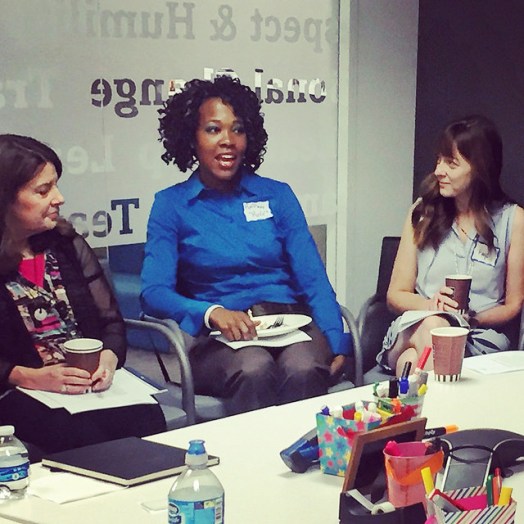
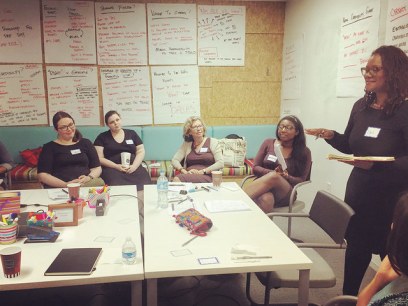
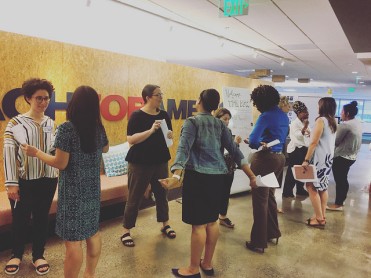
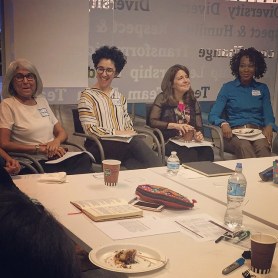
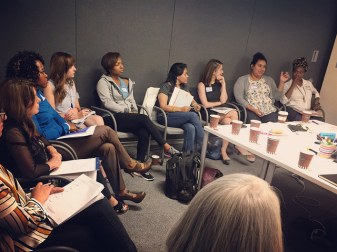
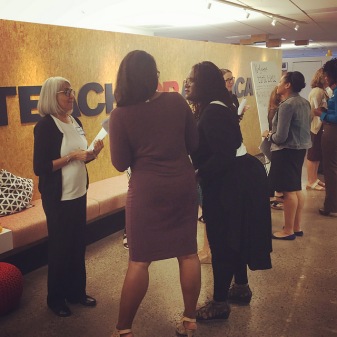
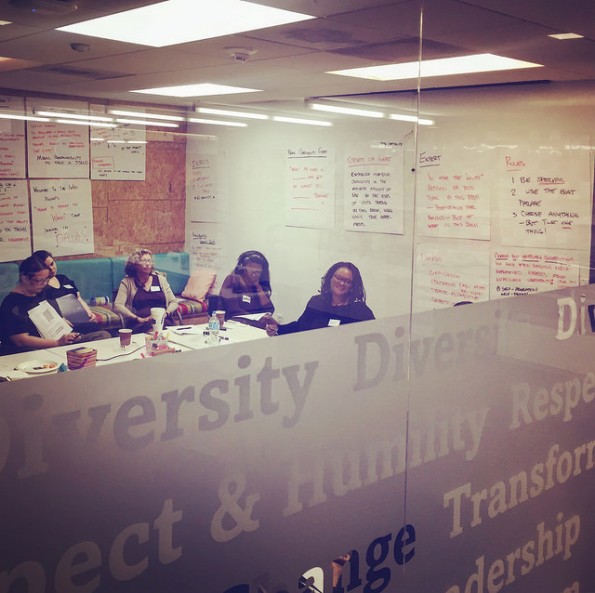
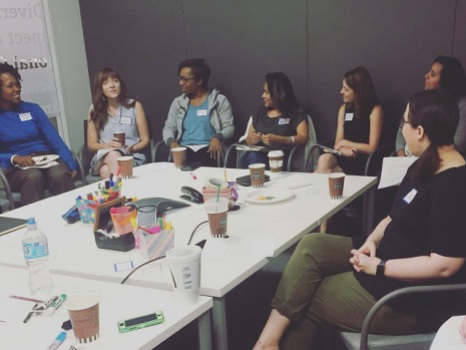
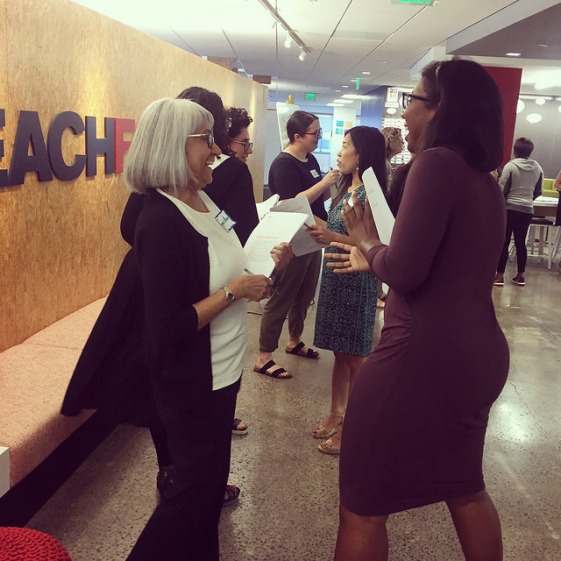
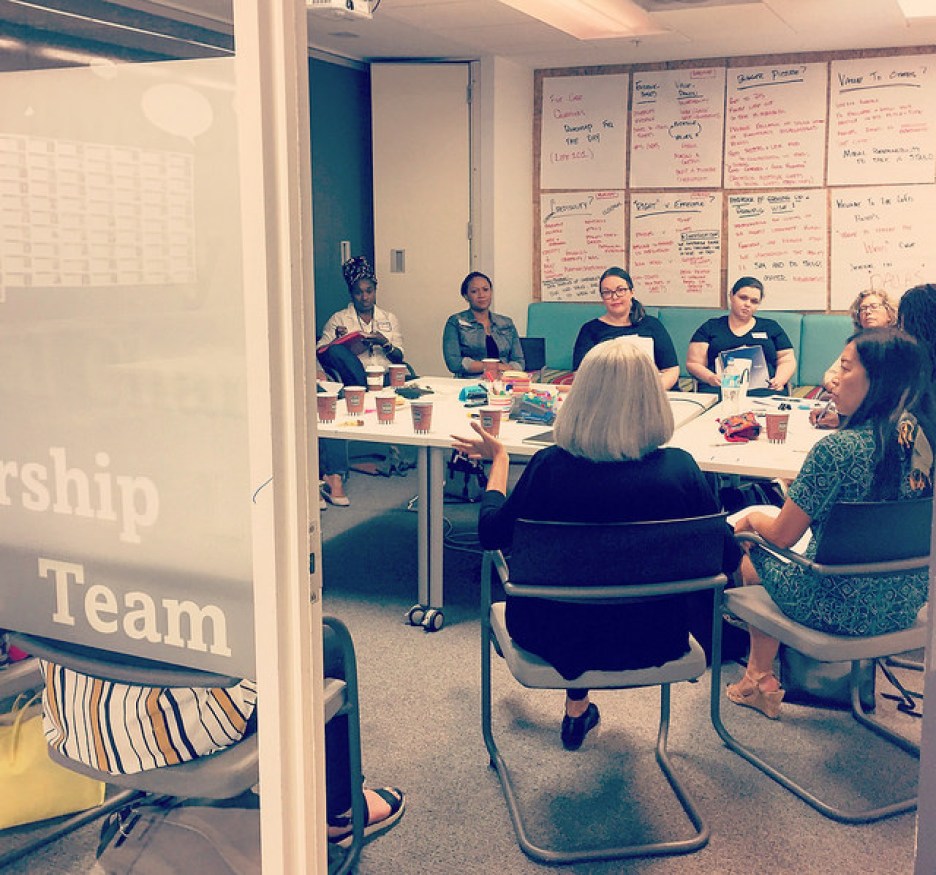
We gathered underrepresented experts in Chicago today to explore themes of expertise, credibility and what it takes to create meaningful change in the world.
A big thank you to our friends and partners at the Executive Service Corps— an organization dedicated to making non-profits more effective and successful—for not only hosting this seminar but also for making this opportunity available to the good people of Chicago.
Do you want your voice to be heard? Come see us in action. We run Write to Change the World seminars in 15 major U.S. cities on a rotating basis. For more on our upcoming cities and dates, click here.

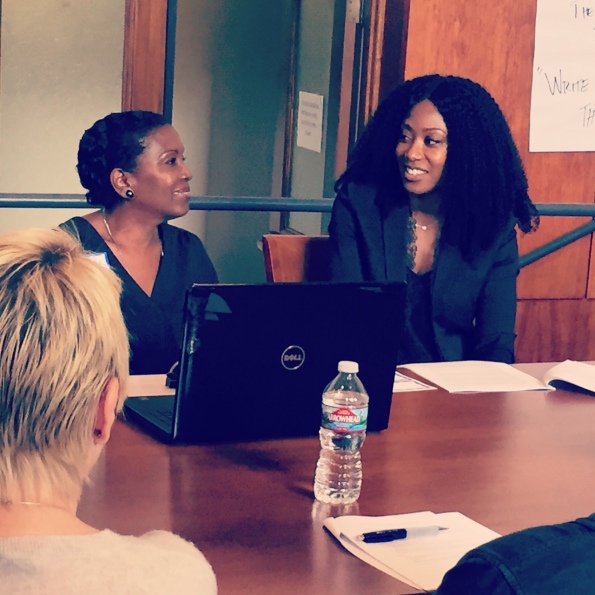
Fifteen underrepresented experts gathered at UCLA’s Royce Hall today, to explore themes of expertise, credibility and what it takes to create meaningful change in the world. See photos below.
A big thank you to our friends and partners at the UCLA Center for the Study of Women — an internationally recognized research center driving scholarship and public understanding on gender, sexuality, and other key issues forward—for not only hosting this seminar, but also making this opportunity available to the good people of Los Angeles.
Do you want your voice to be heard? Come see us in action. We run Write to Change the World seminars in 15 major U.S. cities on a rotating basis. For more on our upcoming cities and dates, click here.
 The Byline Blog